Why do we keep doing things we know aren’t good for us, even when we really want to stop?
I’ve spent nearly 25 years studying that question and helping people find answers.
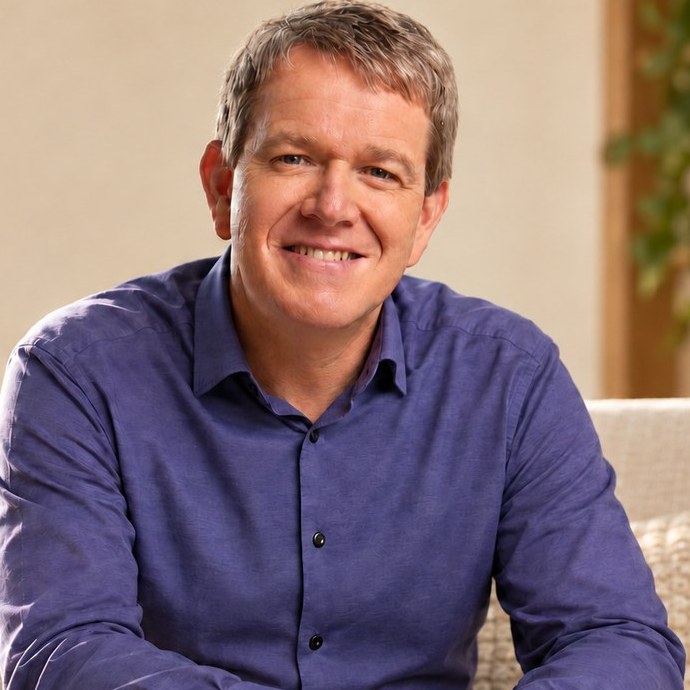
I’m a psychologist, behavioral scientist, and professor. At Fred Hutchinson Cancer Center, I lead research developing and testing practical ways to help people make lasting changes in their lives. In my private practice, I help adults struggling with anxiety, addictions, and unwanted habits.
- ResearchFounder and director of the HABIT Lab, Fred Hutchinson Cancer Center
- UniversityAffiliate Professor of Psychiatry and Behavioral Sciences, University of Washington
- PracticePrivate psychology practice since 2004, by telehealth
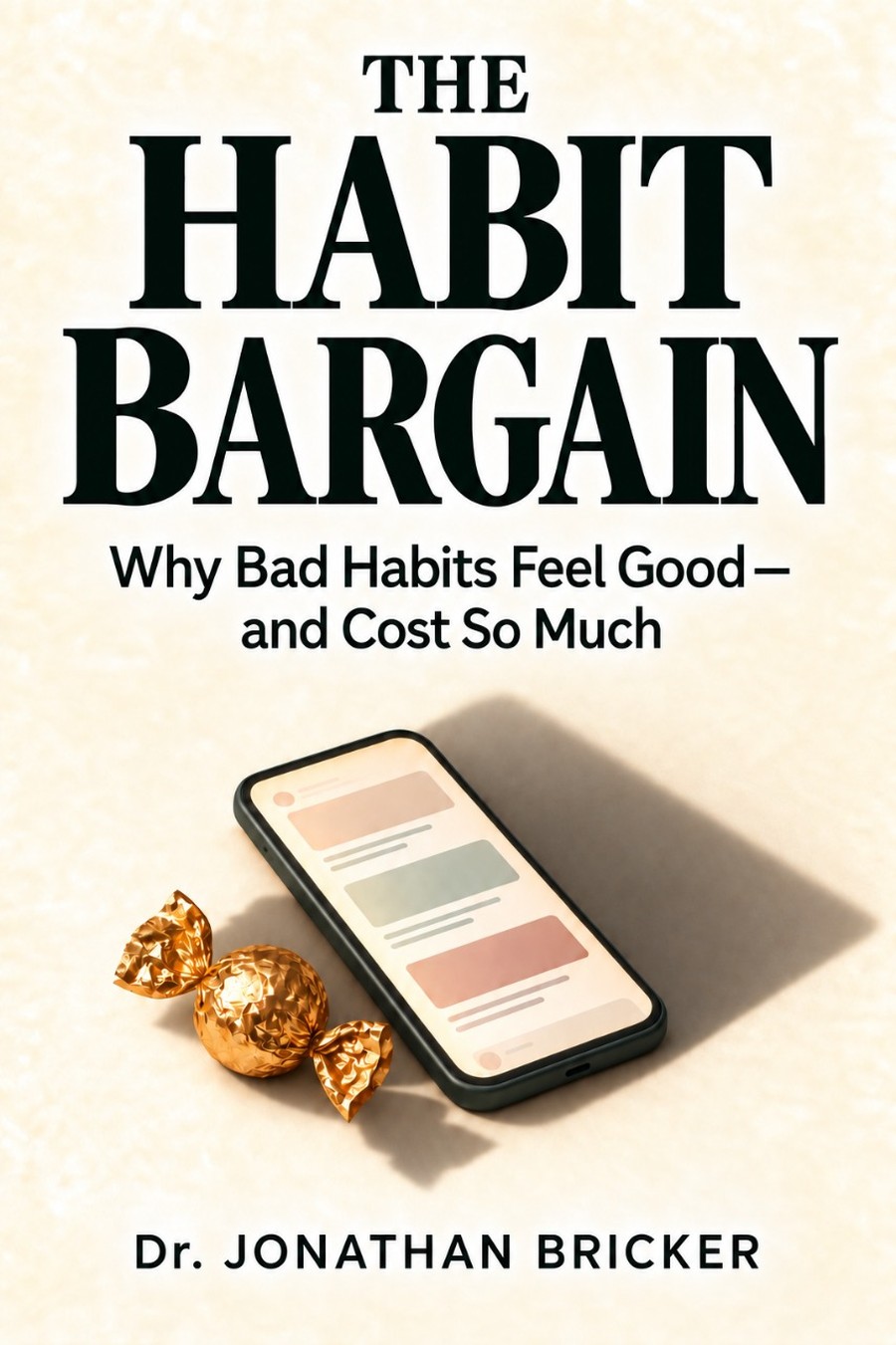
The Habit Bargain
Why Bad Habits Feel Good—and Cost So Much
Why do we return to habits we wish we could stop? And why do willpower and good intentions so often fail us?
In The Habit Bargain, I draw on my behavioral science research and clinical experience to explain why habits can feel so rewarding in the moment, even when they cost us something important. The book offers practical, research-based tools for making different choices without relying on willpower alone.
Learn About the Book →My Work
I’m the Endowed Chair in Cancer Prevention and Professor of Public Health Sciences at Fred Hutchinson Cancer Center, where I founded and direct the HABIT Lab. Our team develops and tests behavioral interventions, including smartphone applications and conversational AI programs that can reach people who might never receive traditional therapy.
My research has shown that people can change deeply ingrained habits without relying on willpower or trying to suppress unwanted thoughts and urges. Through large randomized clinical trials, my team has demonstrated that acceptance and commitment therapy (ACT) can help people quit smoking, lose weight, and make lasting changes in their behavior. Our research has also shown how these skills can be delivered through smartphone apps and conversational AI, making evidence-based support more accessible.
Across smoking cessation, weight loss, and other health behaviors, our work explores how changing our relationship with difficult thoughts, feelings, and urges can help us build healthier, more fulfilling lives. Much of this research has been supported by the National Institutes of Health, with more than $40 million in research funding.
I opened my psychology practice in 2004. Some of my most rewarding experiences have been helping people who spent years avoiding situations they feared begin to take those risks, build relationships, and feel more confident in their lives.
I received my PhD in Clinical Psychology from the University of Washington in 2003. I’m also an Affiliate Professor of Psychiatry and Behavioral Sciences at UW, Senior Editor of Addiction, and a founding member of the Scientific Strategy Council of the Association for Contextual Behavioral Science.
My Personal Life
I enjoy spending time with my wife and our two daughters, traveling, exploring the Pacific Northwest, and getting outdoors.
Two of my biggest passions are marathon running and Finnish sauna.
My Love of Running
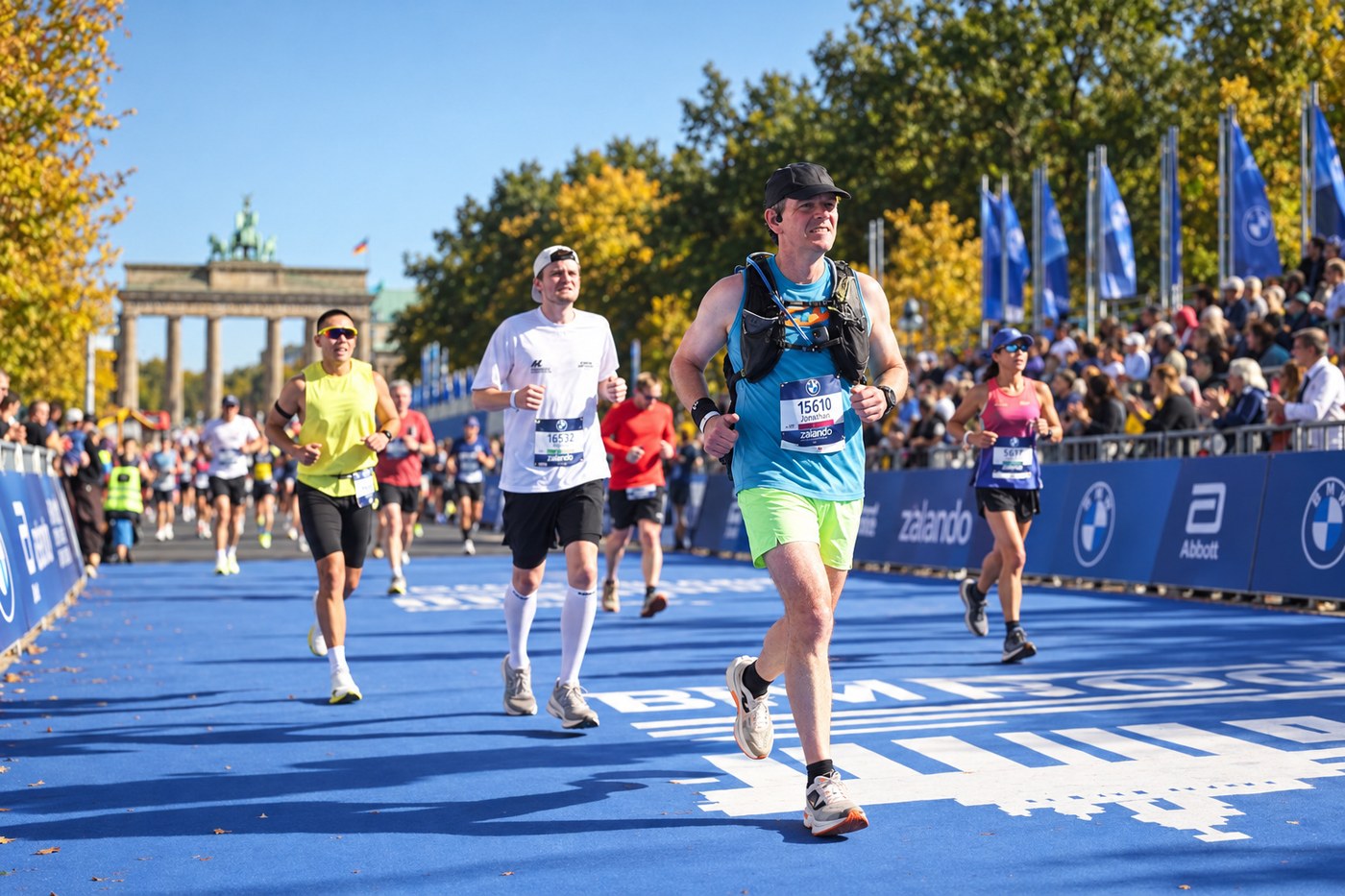
I’ve been a runner since childhood, but becoming a marathon runner was something I never imagined. The marathons I have run include the Los Angeles, California International, Chicago, London, and Berlin Marathons.
Running has taught me that I don’t have to feel motivated or comfortable to keep moving toward something important. I’ve also enjoyed using marathon running to raise money for cancer prevention research.
The American Institute for Cancer Research recently shared my story.
My Love of Sauna
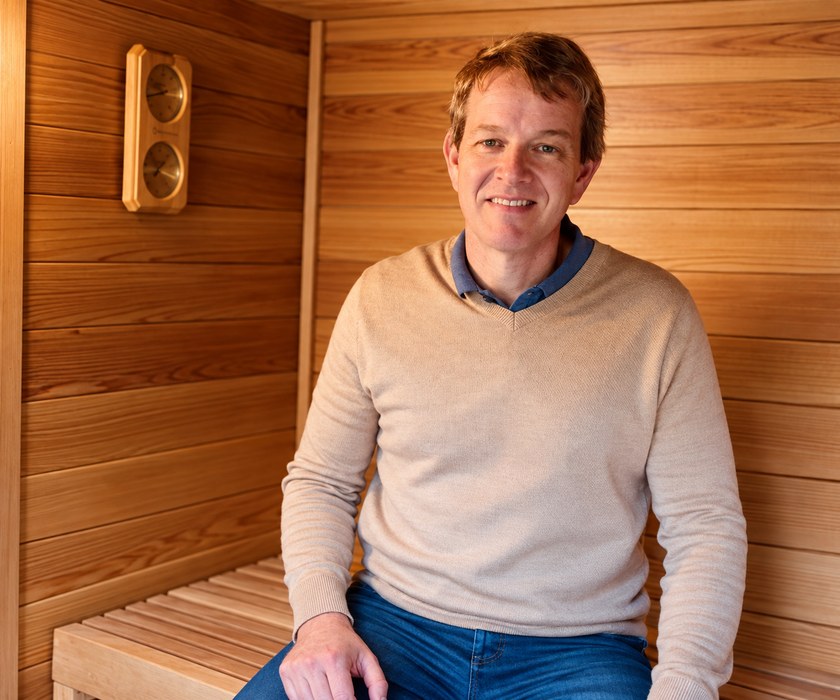
I first experienced Finnish sauna in 1991 while studying abroad in Oulu, Finland, and I’ve loved it ever since. Years later, I built a backyard sauna with family and friends. It’s become one of my favorite places to relax, connect with others, and enjoy the contrast between intense heat and a cold plunge.
I find something fascinating about learning to stay present with physical discomfort rather than immediately trying to escape it. It’s a very tangible experience of something I’ve spent much of my career studying as a psychologist.
Listen to my Sauna Talk interview ↗